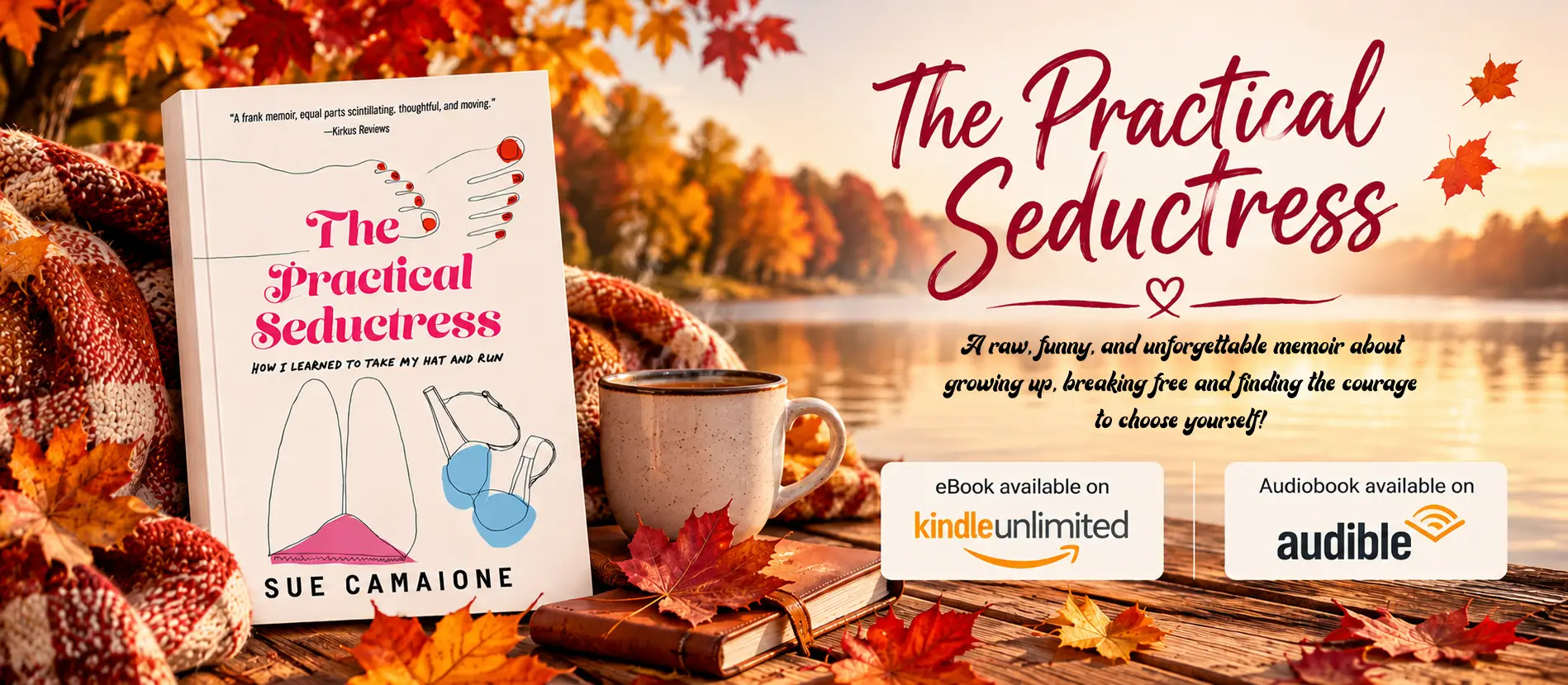
For generations, female desire has been misunderstood, minimized, or silenced altogether. Today, however, a new wave of storytelling is changing that, and at the center of it are bold, unapologetic narratives like The Practical Seductress.
This is more than just an erotic memoir. It is a deeply reflective memoir of sexual freedom, exploring what it truly means to seek love, intimacy, and identity in a world that often punishes women for doing exactly that.
The Myth vs Reality of Sexual Freedom
Many freedom of sexuality books promise liberation. But what they often leave out is the complexity that comes with it.
In The Practical Seductress, freedom is not a destination. It is a process.
The author enters adulthood with a sense of curiosity and courage, believing that sexual knowledge and exploration will unlock power. And for a time, it does.
There is excitement.
Confidence.
A sense of control.
But soon, that belief is challenged.
Instead of empowerment alone, there is also:
- Self-doubt
- Emotional confusion
- Moments of regret
This is what makes the book so relatable. It does not present freedom as an easy path. It presents it as real.
A Journey That Begins with Curiosity
Like many coming-of-age memoirs, the story captures the awkward and sometimes humorous beginnings of sexual awareness.
There are moments of innocence mixed with uncertainty. Questions about the body, about connection, and about what intimacy is supposed to feel like. These early experiences, while sometimes clumsy or unexpected, play a crucial role in shaping identity.
This is why the first part of the book, Escape, may align with memoirs for teenagers, as it reflects those universal first encounters with desire and self-discovery.
The Double Standard That Shapes Everything
One of the most powerful undercurrents of the book and a common theme across books about female desire is the clear imbalance between how men and women are treated.
Men are encouraged to explore.
Women are expected to restrain.
This contradiction creates an internal conflict that follows the author throughout her journey. She questions why the same behaviors are celebrated in men but criticized in women.
This tension is central to many books on sexual desire and equality, but here it is experienced firsthand. It is not theoretical. It is lived.
Love, Risk, and Emotional Consequences
As the story unfolds, relationships become more complex. Love is no longer just about connection. It becomes intertwined with risk.
There are moments of deep passion and belonging, but also moments where trust is broken, expectations are unmet, and emotional wounds are left behind.
The author begins to realize that every choice and every relationship carries both the potential to heal and the potential to harm.
This duality is what defines the narrative as one of the most honest books that explore female sexuality.
Redefining What It Means to Be Empowered
True empowerment, as shown in this book about female empowerment, is not about rejecting desire. It is about understanding it.
It is about:
- Recognizing patterns
- Accepting responsibility
- Letting go of shame
- Choosing growth over denial
By the end of the journey, there is a shift. Not away from desire, but toward clarity.
The author no longer seeks validation in the same way. She understands that love exists in many forms, and that identity is not defined by a single role or relationship.

Final Thoughts
In a time when readers are searching for stories that feel real, The Practical Seductress delivers something rare. Truth without filters.
It stands among the most impactful women empowerment books because it does not tell women who to be. It shows them that they are allowed to discover that for themselves.
And perhaps that is the most powerful message of all.